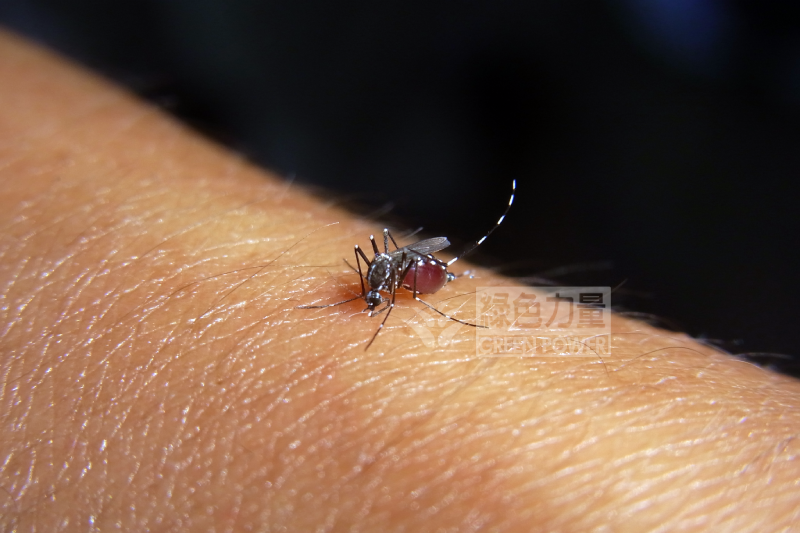
The mosquito is the world's deadliest animal which causes a million deaths a year from mosquito-borne diseases like dengue fever, malaria, etc. Scientists expect global warming to fuel worldwide population growth of mosquitoes which made their first appearance in mosquito-free Iceland in 2025. But a new study found that light pollution was a stronger inhibitor of overwintering dormancy than temperature.
Mosquitoes have been on the planet since dinosaur era. Globally, there are around 3,500 species of mosquitoes. They are poikilotherms and thrive in warm and humid tropical regions, thanks to the abundant water in which they spend the first three stages of their lifecycle. In temperate and cold regions, they are most active in spring and summer, breed in autumn, and enter diapause in winter.
Scientists have believed that temperature determines mosquito activity, which has been proved by recent heat waves that had made mosquito season longer. But a recent study revealed that outdoor lights played a bigger impact than temperature on the breeding of several mosquito species.
Mosquito larvae were kept in the same temperature but placed in separate locations by researchers, one in a natural outdoor environment and one in an artificially lit condition. The former group of mosquitoes entered the dormant state in autumn but 60% of the latter were still biting and breeding well into autumn.
Bright Nights Active Mosquitoes
Earth's tilt changes seasons. The day is longer than the night from the day of the spring equinox and the night is longer than the day from the day of the autumn equinox. Temperatures drop as the day wanes. Some mosquito species take cues from the waning daylight and go dormant. But urbanization has lit up both the city and the countryside, and allows the mosquitoes to stay active well into winter. It is not known if the disruption of overwintering dormancy applies to all mosquito species.
More than 70 species of mosquitoes have been found in Hong Kong. The most prevalent Asian Tiger Mosquito (Aedes albopictus) has been growing more active with longer daylight. Hong Kong recorded 11 local cases of mosquito-transmitted chikungunya fever last year, all of them were reported between October and December ─ the non-active season for mosquitoes. Reducing artificial light at night, apart from traditional mosquito control measures of spraying pesticides and removing standing water, seems a viable fix if we want to prevent mosquito-borne diseases.